
By Fortune Africa Editorial Desk
Across Africa, conversations around disability are steadily evolving. Increasingly, governments are recognising that inclusion is not simply a matter of social welfare but an essential pillar of national development, economic participation and human dignity.
In the Kingdom of Eswatini, that shift is being led from the highest levels of government.
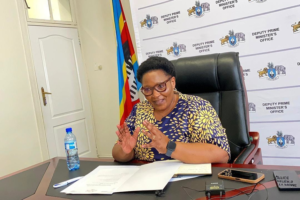
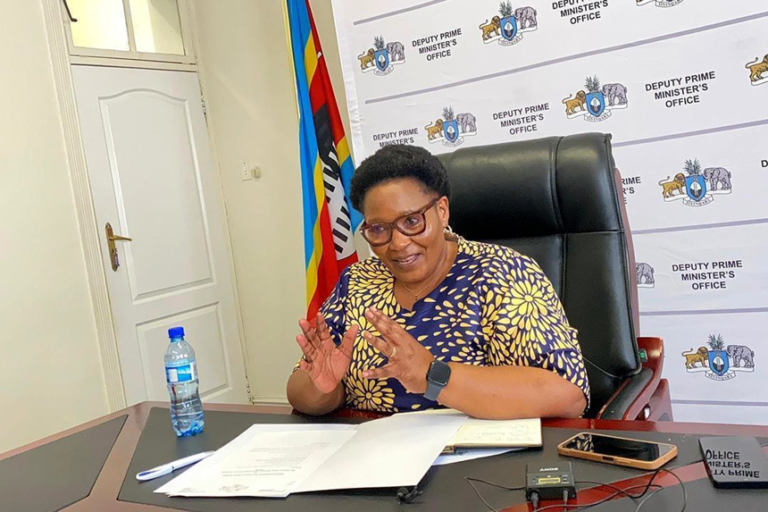
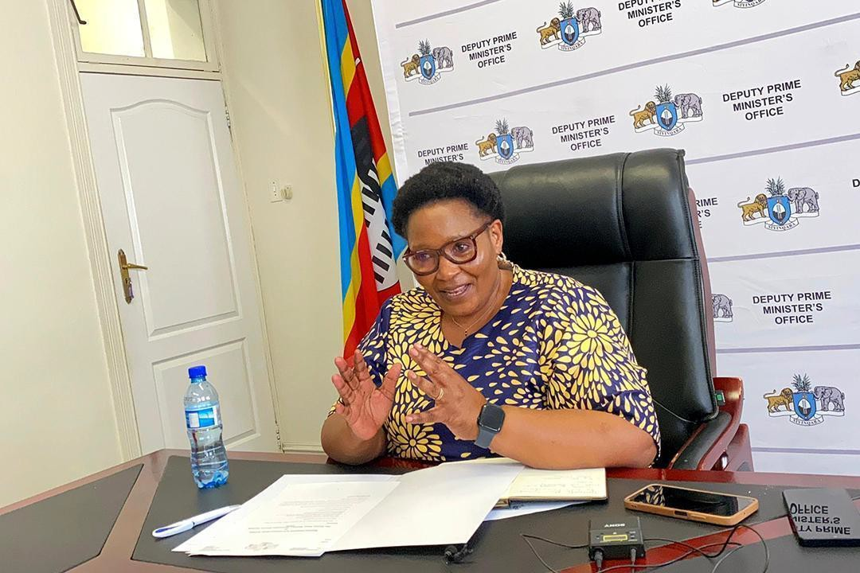
Under the leadership of the Deputy Prime Minister’s Office, a series of initiatives aimed at improving the quality of life for persons with disabilities is helping to redefine how inclusion is understood and implemented. Among the most visible of these efforts is the Disability Arts Festival, an initiative that is challenging perceptions, celebrating talent and creating new opportunities for artists living with disabilities.
Rather than focusing solely on disability as a social challenge, the programme places ability, creativity and human potential at the centre of the national conversation.
Redefining Inclusion
For generations, disability across much of Africa has often been viewed through the lens of charity and welfare.
Today, that perspective is gradually giving way to a more progressive understanding based on rights, participation and empowerment.
The Office of the Deputy Prime Minister has embraced this evolving approach by supporting programmes that seek not only to protect vulnerable citizens but also to create environments where persons with disabilities can participate fully in society.
The Disability Arts Festival reflects this philosophy.
The event provides artists with disabilities a platform to showcase their creativity, whether through music, dance, theatre, visual arts, poetry or other forms of artistic expression.
In doing so, it sends a powerful message: disability does not define talent, ambition or contribution.
Instead, it encourages society to recognise ability before disability.
The Power of the Arts
Arts have long been recognised as one of society’s most powerful tools for changing attitudes.
Where policies and legislation establish rights, culture often shapes acceptance. The Disability Arts Festival serves both purposes.
It creates opportunities for performers and artists to gain public recognition while simultaneously raising awareness about the experiences, aspirations and capabilities of persons with disabilities.
By bringing communities together through culture, the festival challenges stereotypes that have historically limited opportunities for many people living with disabilities.
It also demonstrates that inclusion is not simply about access to services but about visibility, participation and equal recognition.
For young people with disabilities, seeing successful artists perform on national platforms can become a source of inspiration and confidence.
For the wider public, it provides an opportunity to appreciate talent without prejudice.
Beyond Awareness: Creating Opportunity
While awareness campaigns remain important, Eswatini’s disability agenda increasingly focuses on practical empowerment.
The Deputy Prime Minister’s Office has supported initiatives aimed at improving access to education, strengthening social protection programmes, expanding opportunities for skills development and promoting economic participation for persons with disabilities.
These interventions recognise that sustainable inclusion requires more than public goodwill.
It requires investment in people.
Access to education, vocational training, healthcare, assistive technologies and employment opportunities enables individuals with disabilities to participate more fully in the country’s economic and social development.
The emphasis is increasingly shifting from dependency toward independence.
Disability and Economic Development
Globally, disability inclusion is now recognised as an economic imperative.
According to international development organisations, excluding persons with disabilities from education and employment results in lost productivity, reduced household incomes and slower national economic growth.
Conversely, creating inclusive workplaces, accessible infrastructure and equal opportunities expands the available workforce while fostering innovation and diversity.
Eswatini’s initiatives therefore extend beyond social policy.
They contribute to broader national development objectives by encouraging participation from all citizens, regardless of physical or intellectual ability.
An inclusive economy is, ultimately, a stronger economy.
A Whole-of-Society Approach
One of the notable aspects of Eswatini’s disability initiatives is the emphasis on partnership.
Government alone cannot build an inclusive society.
Meaningful progress requires collaboration between public institutions, private businesses, educational institutions, civil society organisations, development partners and local communities.
Employers have an important role in creating inclusive workplaces. Schools contribute by ensuring accessible learning environments. Community organisations help promote awareness and reduce stigma.
The private sector can unlock opportunities through entrepreneurship, procurement and employment.
The Disability Arts Festival illustrates how these partnerships can work together to create platforms that celebrate talent while encouraging wider social acceptance.
Aligning with Global Commitments
Eswatini’s efforts are consistent with broader international commitments to disability rights and inclusive development.
The United Nations Convention on the Rights of Persons with Disabilities (CRPD) affirms the rights of persons with disabilities to participate fully and equally in society.
The country’s initiatives also contribute to several United Nations Sustainable Development Goals (SDGs), including:
SDG 1 – No Poverty, through improved social protection and economic empowerment.
SDG 4 – Quality Education, by promoting inclusive and equitable learning opportunities.
SDG 8 – Decent Work and Economic Growth, through support for employment and entrepreneurship.
SDG 10 – Reduced Inequalities, by addressing barriers to participation and promoting equal opportunities.
SDG 11 – Sustainable Cities and Communities, by encouraging accessibility and inclusion in public spaces.
These goals reinforce the principle that development is only truly sustainable when it includes everyone.
Changing Hearts, Changing Minds
Perhaps the greatest achievement of initiatives such as the Disability Arts Festival lies in their ability to change perceptions.
Legislation can prohibit discrimination. Policies can allocate resources.
But genuine inclusion occurs when society begins to view disability differently—not as a limitation, but as one aspect of human diversity.
Events that celebrate achievement rather than adversity help shift public attitudes in lasting ways.
They remind communities that persons with disabilities are artists, entrepreneurs, professionals, athletes, innovators, students and leaders whose contributions enrich national life.
Fortune Africa Perspective
The true measure of a nation’s development is not found solely in economic statistics or infrastructure projects. It is reflected in how it values and empowers its most vulnerable citizens.
Eswatini’s evolving approach to disability inclusion, led by the Office of the Deputy Prime Minister, demonstrates that social development and economic development are not competing priorities—they are complementary ones.
By investing in programmes such as the Disability Arts Festival while advancing broader initiatives that improve the quality of life for persons with disabilities, the Kingdom is helping to build a more inclusive and compassionate society.
The journey toward full inclusion is far from complete.
Challenges remain in expanding accessibility, increasing employment opportunities and ensuring equal participation across every sector of society.
Yet every policy, every partnership and every platform that elevates the voices and talents of persons with disabilities represents another step toward that goal.
In championing inclusion through empowerment rather than sympathy, Eswatini is writing a new chapter—one in which disability is no longer viewed through the prism of limitation, but through the limitless potential of human talent, resilience and creativity.